
Understanding the psychological triggers that influence gambling behavior
The Role of Cognitive Biases in Gambling
Cognitive biases play a significant role in shaping gambling behavior. These mental shortcuts often lead individuals to make irrational decisions based on flawed reasoning. For instance, the illusion of control bias may cause gamblers to believe that they can influence the outcome of games purely based on their skill or strategy, even in games of chance like slots or roulette. This bias fosters an overestimation of one’s abilities, often leading to excessive gambling and repeated losses. Players interested in exploring an extensive selection of options might consider visiting https://cherryspinscasino-canada.com/ for a vast array of gaming experiences.
Another prevalent cognitive bias is the availability heuristic, where individuals assess the probability of an event based on how easily an example comes to mind. This can lead to the misconception that big wins are more common than they actually are. Players may recall their friends’ success stories while conveniently forgetting the countless losses, reinforcing the belief that winning is achievable. Such thinking can create a dangerous cycle, encouraging players to chase losses in hopes of experiencing a win.
Furthermore, the sunk cost fallacy often emerges in gambling environments. This psychological trigger leads individuals to continue investing time or money into a losing game because they have already committed resources. The belief that “I’ve already lost this much; I can’t stop now” can lead to escalating losses. Understanding these cognitive biases is crucial for recognizing and mitigating their influence on gambling behavior.
The Impact of Emotional Triggers
Emotions heavily influence gambling behavior, often dictating decisions made during gaming sessions. For instance, individuals experiencing high stress or anxiety may turn to gambling as a form of escapism. The thrill of playing can temporarily alleviate negative feelings, creating a cycle where individuals resort to gambling whenever they face emotional turmoil. This reliance on gambling as a coping mechanism can lead to problematic gambling behaviors over time.
Additionally, feelings of excitement and euphoria during gambling can trigger impulsive decisions. The rush of winning a bet can create a dopamine release, reinforcing the behavior and encouraging gamblers to take bigger risks. This emotional high can cloud judgment and lead to a disregard for money management practices, resulting in severe financial consequences. Gamblers often find themselves caught in a thrill-seeking cycle, pursuing the next high without considering the risks.
Conversely, losing streaks can trigger feelings of frustration and despair, which may lead individuals to gamble even more in an attempt to recoup losses. This emotional rollercoaster can increase the likelihood of developing a gambling addiction, as individuals become entrapped in their desire to feel that fleeting joy again. Recognizing these emotional triggers can empower gamblers to make more informed decisions and seek help if necessary.
The Environment and Social Influences
The gambling environment significantly impacts behavior, with various external factors shaping the experience. Factors such as the atmosphere of a casino, advertising, and peer influence can all serve as powerful triggers. For instance, brightly colored slot machines, free drinks, and loud music can create a stimulating environment that heightens excitement and can lead to impulsive gambling. This design is intentional, aimed at encouraging players to spend more time and money.
Social influences also play a crucial role in shaping gambling behavior. Peer pressure can encourage individuals to gamble, especially in social settings where the activity is normalized. Friends or family members who gamble frequently may inadvertently instill the idea that gambling is a desirable pastime. This can lead to individuals downplaying the risks associated with gambling or viewing it as a harmless form of entertainment.
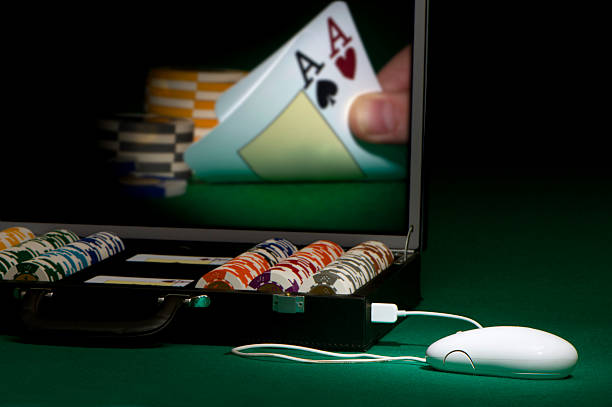
Furthermore, the proliferation of online gambling platforms has transformed the landscape, making it easier for individuals to engage in gambling from the comfort of their homes. The accessibility of these platforms can blur the lines between casual play and excessive gambling, particularly in environments that promote constant engagement. Understanding the influence of social and environmental factors can help individuals recognize triggers and make more informed decisions about their gambling habits.
The Effects of Marketing and Promotions
Marketing strategies employed by gambling establishments can significantly influence player behavior. Promotions, bonuses, and advertisements are designed to attract players and create an environment where gambling is viewed as a fun and lucrative activity. For example, enticing welcome bonuses can encourage new players to engage, often leading to increased betting to fulfill wagering requirements. This strategy not only draws players in but also contributes to a mentality of chasing wins.
The framing of gambling as a glamorous and high-stakes activity can also skew perceptions. Advertisements often highlight winners while downplaying the odds and risks involved. This selective portrayal creates a narrative that emphasizes success over the reality of frequent losses, making gambling appear more appealing. Such marketing tactics can lead individuals to underestimate the risks and overestimate their chances of winning, resulting in impulsive decisions.
Moreover, loyalty programs and other incentives often reinforce continuous play. Gamblers may feel compelled to keep playing to maintain their status or earn rewards, blurring the line between responsible and excessive gambling. Understanding the marketing tactics that entice players can help individuals critically assess their motivations and gambling habits, leading to more responsible choices.

Exploring Responsible Gambling at Cherry Spins Casino
At Cherry Spins Casino, understanding the psychological triggers influencing gambling behavior is paramount to fostering a responsible gaming environment. The platform prioritizes player safety, implementing robust security measures and promoting responsible gambling practices. By offering resources and support, Cherry Spins aims to educate players about the potential pitfalls of gambling while encouraging them to enjoy their gaming experiences responsibly.
The casino provides tools for players to set limits on their spending and time spent gaming. By empowering players to take control of their gambling habits, Cherry Spins Casino contributes to a healthier gaming environment. The platform also emphasizes the importance of recognizing emotional and cognitive triggers, helping players make informed choices about their gambling practices.
Through continuous support and education, Cherry Spins Casino strives to create a balanced atmosphere where players can enjoy their favorite games while remaining mindful of their behavior. Understanding the psychological aspects of gambling can lead to a more enjoyable and responsible gaming experience for all players.
